










ABOUT KANNA
Meet kanna
Kanna is a small succulent from South Africa, known to botanists as Sceletium tortuosum. People have been chewing, brewing and sharing it for centuries. Here’s what it is, where it comes from, and what we know about it so far.
What is kanna?
Kanna (Sceletium tortuosum, also listed as Mesembryanthemum tortuosum) is a low-growing succulent native to South Africa’s Cape provinces. Its name comes from the Khoekhoe language, and it’s also known as kougoed, an Afrikaans word meaning roughly “something to chew.”
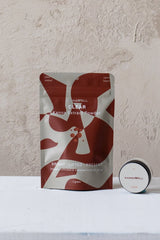
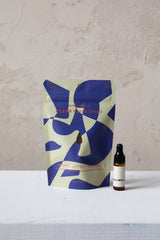
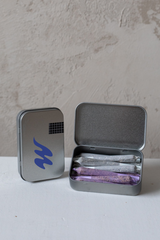
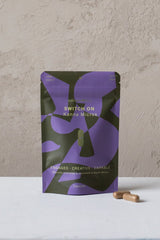
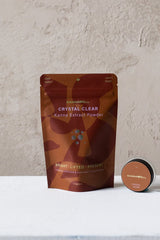
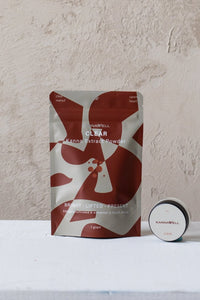
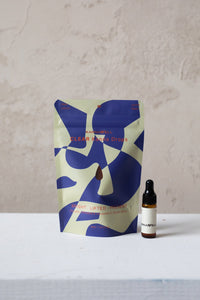
Kanna contains a family of natural alkaloids, led by mesembrine, that give it its character. Today it’s enjoyed as an extract powder, drops, capsules or smokable herb, and the kanna sold today is largely cultivated rather than wild-harvested.
THE PLANT
A succulent from the Cape
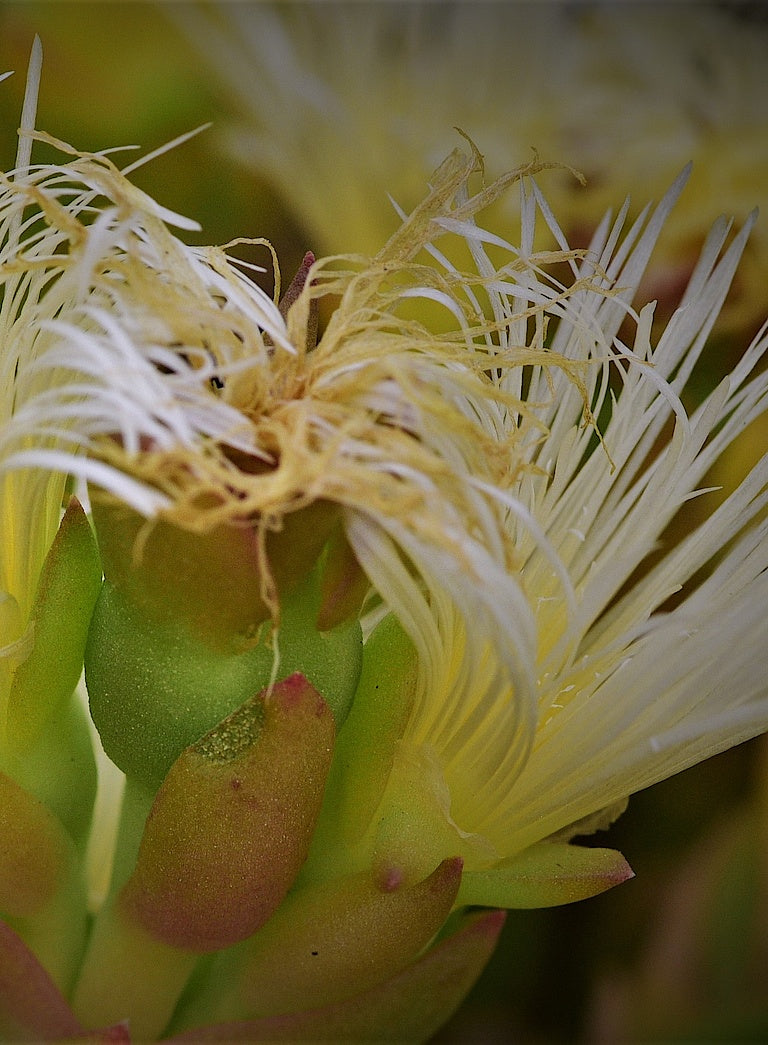
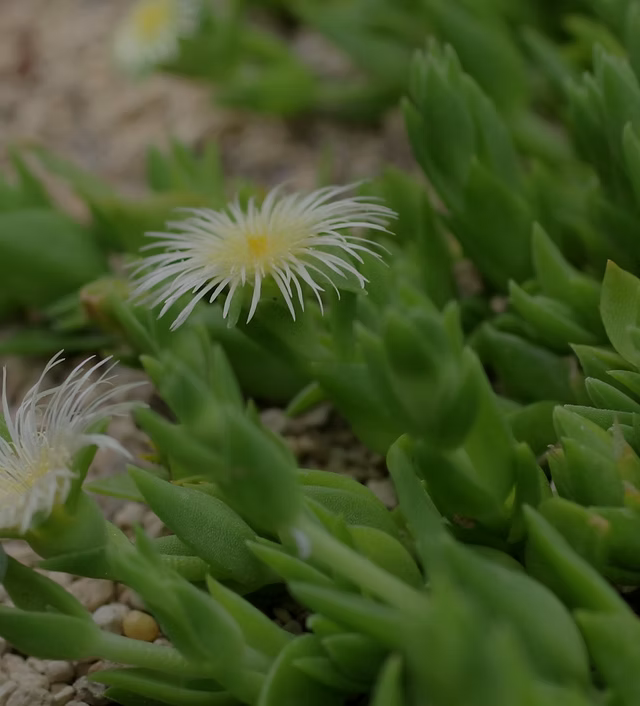
Kanna belongs to the ice plant family (Aizoaceae), whose succulents carpet much of South Africa’s dry western landscape. It grows low and creeping, with fleshy leaves and pale yellow to white flowers.
As the leaves dry, their veins stand out like a fine skeleton, which is where the name Sceletium comes from. In the wild, kanna grows from Namaqualand down through the Little Karoo. Ours is cultivated in the Western Cape.
A long history
Long before it had a botanical name, kanna was known to the Khoi and San peoples of southern Africa, who have used it for centuries, and likely far longer. It was chewed, brewed and shared, carried on long journeys through dry country, and traded as a valued good.
The first written European record dates to 1662, when Dutch settlers at the Cape noted trading for kanna. An illustration from Simon van der Stel’s 1685 expedition is one of the earliest known images of the plant.
Today, Khoi and San knowledge of kanna is recognized under South African law, and a share of its commercial value returns to their communities through benefit-sharing agreements.

THEN AND NOW
From chewing to drops
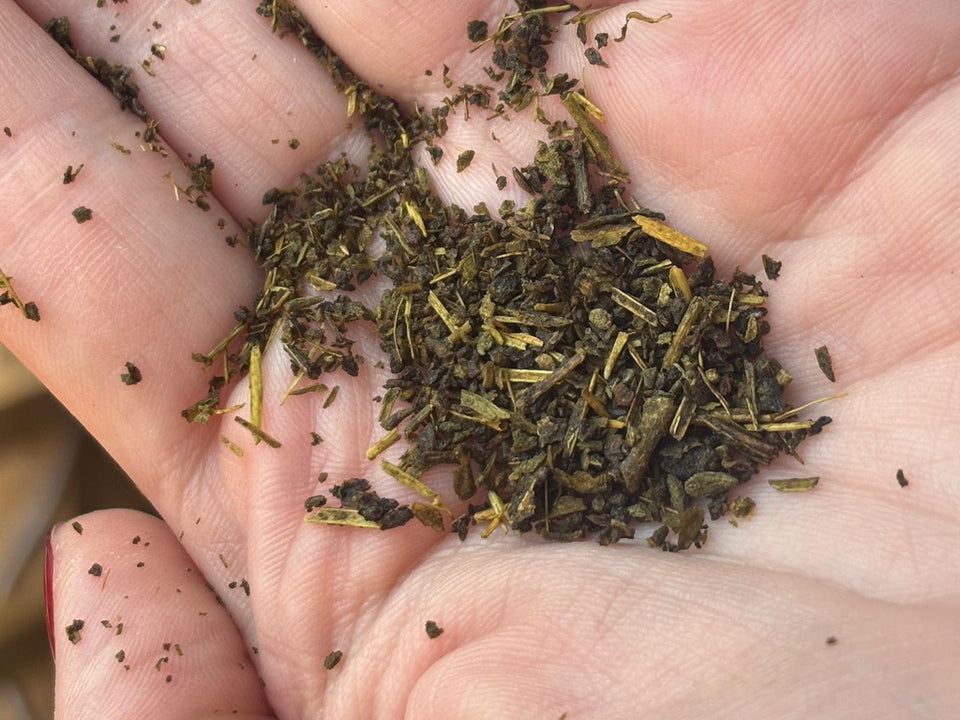
Traditionally, kanna was dried and chewed, often after being crushed and left to ferment, which is where the name kougoed comes from. It was also brewed as a tea, taken as snuff or smoked.
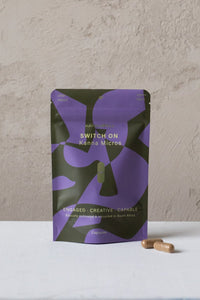
Today the same plant comes in more precise forms: standardized extract powders, measured drops, capsules and fortified herb. Each is built around a measured serving, so you always know how much you’re taking.
Inside kanna: the alkaloids
Kanna contains more than 25 natural alkaloids, first reported by chemists in the early 1900s. Three shape most of how it feels:
- Mesembrine: the most abundant, and the brighter, more social side of kanna
- Mesembrenone: calmer and softer
- Δ7-mesembrenone: relaxing and more body-centred
The balance between them gives each extract its character. That’s why our products are named for how they feel: CLEAR is higher in mesembrine and feels brighter; OPEN is higher in mesembrenone and feels softer and more in the body.
How people describe it
Kanna is quiet, not dramatic. At a typical serving, people tend to describe it as feeling like themselves on a good day: a little lighter, more present and more at ease with others.
Brighter, mesembrine-forward profiles are often described as outgoing and talkative; softer profiles as warm and body-centred. It’s subtle, you stay clear-headed, and everyone’s experience is different.
What the research says
Scientists have studied kanna since the early 1900s, and interest has grown over the last two decades. Most modern research looks at its alkaloids in the lab, but a handful of small human studies have used a standardized kanna extract. Here are three of the best known.
- STUDY 1
Safety over three months
Nell et al., 2013 · Journal of Alternative and Complementary Medicine
READ THE STUDY →In a randomized, double-blind, placebo-controlled trial, 36 healthy adults took a standardized kanna extract (8 mg or 25 mg) or a placebo once a day for three months. Researchers tracked vital signs, heart rhythm, blood work and side effects. They found no significant changes in any of these measures, and side effects were no more common than with placebo. The authors concluded the extract was well tolerated at both amounts.
- STUDY 2
A brain imaging study
Terburg et al., 2013 · Neuropsychopharmacology
READ THE STUDY →Sixteen healthy volunteers took a single 25 mg serving of a standardized kanna extract or a placebo, then had brain scans while matching images of emotional faces. After the extract, the amygdala – a part of the brain involved in processing emotional and threat-related information – responded less to fearful faces. The researchers saw it as an early look at how kanna’s alkaloids interact with the brain.
- STUDY 3
Thinking and attention
Chiu et al., 2014 · Evidence-Based Complementary and Alternative Medicine
READ THE STUDY →Twenty-one healthy adults aged 45 to 65 took 25 mg of a standardized kanna extract and a placebo, each daily for three weeks in random order, and completed a battery of cognitive tests. Compared with placebo, the extract improved scores on two measures: executive function and cognitive flexibility (switching between tasks). Other measures, including memory and reaction time, showed no difference. The extract was well tolerated.
What this does and doesn't tell us
These studies are small and short, they were done with healthy adults, and all three used one specific branded extract (Zembrin), not KannaWell products. They’re an interesting starting point, not proof of any health benefit, and researchers agree larger studies are needed.
In short, kanna has a long history of traditional use and a short history of clinical research. We follow the research closely, but we don’t make health claims about kanna. Our focus is the plant itself: how it’s grown, how it’s made, and how people experience it in modern life.
Enjoying kanna safely
Kanna’s alkaloids act on serotonin, so it isn’t for everyone. Don’t use kanna if you take antidepressants (including SSRIs, SNRIs and MAOIs) or any other serotonergic medication or supplement, such as St. John’s Wort or 5-HTP, unless your prescribing clinician has approved it. It’s not for use during pregnancy or breastfeeding, and it shouldn’t be combined with alcohol or sedatives.
Start with a small serving, see how it feels, and read the full safety information on each product page. For adults 19+.
FAQ
Common questions
-
What is kanna?
Kanna (Sceletium tortuosum) is a succulent native to South Africa, with a long history of traditional use among the Khoi and San peoples. Its character comes from natural alkaloids, led by mesembrine.
-
What else is kanna called?
Kougoed, an Afrikaans name meaning roughly “something to chew.” Botanists list it as Sceletium tortuosum, and more recently as Mesembryanthemum tortuosum.
-
Where does kanna come from?
South Africa’s Cape provinces, from Namaqualand through the Little Karoo. KannaWell’s kanna is cultivated in the Western Cape.
-
How was kanna traditionally used?
It was dried and chewed, often after fermenting, and also brewed as tea, taken as snuff or smoked. It was shared socially and carried on long journeys.
-
What does kanna feel like?
People usually describe it as subtle: like themselves on a good day, a little lighter and more present, while staying clear-headed. Brighter profiles feel more outgoing; softer profiles feel more relaxed and body-centred.
-
How do you take kanna?
Our extract powders can be held under the tongue or stirred into a drink, drops go under the tongue or into a drink, capsules are swallowed with water, and FIREPIT is smoked. Each format is built around a measured serving.
-
Is kanna right for everyone?
No. Don’t use kanna if you take antidepressants or other serotonergic medications or supplements, or if you’re pregnant or breastfeeding. Read the full safety information before you start.
Sources
Further reading on kanna’s history, botany, chemistry and research.
-
Gericke N, Viljoen AM. Sceletium: a review update. Journal of Ethnopharmacology. 2008;119(3):653–663.
https://doi.org/10.1016/j.jep.2008.07.043 -
Smith MT, Crouch NR, Gericke N, Hirst M. Psychoactive constituents of the genus Sceletium N.E.Br. and other Mesembryanthemaceae: a review. Journal of Ethnopharmacology. 1996;50(3):119–130.
https://doi.org/10.1016/0378-8741(95)01342-3 -
Krstenansky JL. Mesembrine alkaloids: review of their occurrence, chemistry, and pharmacology. Journal of Ethnopharmacology. 2017;195:10–19.
https://doi.org/10.1016/j.jep.2016.12.004 -
Manganyi MC, Bezuidenhout CC, Regnier T, Ateba CN. A chewable cure “kanna”: biological and pharmaceutical properties of Sceletium tortuosum. Molecules. 2021;26(9):2557.
https://doi.org/10.3390/molecules26092557 -
Nell H, Siebert M, Chellan P, Gericke N. A randomized, double-blind, parallel-group, placebo-controlled trial of extract Sceletium tortuosum (Zembrin) in healthy adults. Journal of Alternative and Complementary Medicine. 2013;19(11):898–904.
https://doi.org/10.1089/acm.2012.0185 -
Terburg D, Syal S, Rosenberger LA, et al. Acute effects of Sceletium tortuosum (Zembrin), a dual 5-HT reuptake and PDE4 inhibitor, in the human amygdala and its connection to the hypothalamus. Neuropsychopharmacology. 2013;38(13):2708–2716.
https://doi.org/10.1038/npp.2013.183 -
Chiu S, Gericke N, Farina-Woodbury M, et al. Proof-of-concept randomized controlled study of cognition effects of the proprietary extract Sceletium tortuosum (Zembrin) targeting phosphodiesterase-4 in cognitively healthy subjects. Evidence-Based Complementary and Alternative Medicine. 2014;2014:682014.
https://doi.org/10.1155/2014/682014
Ready to meet it?